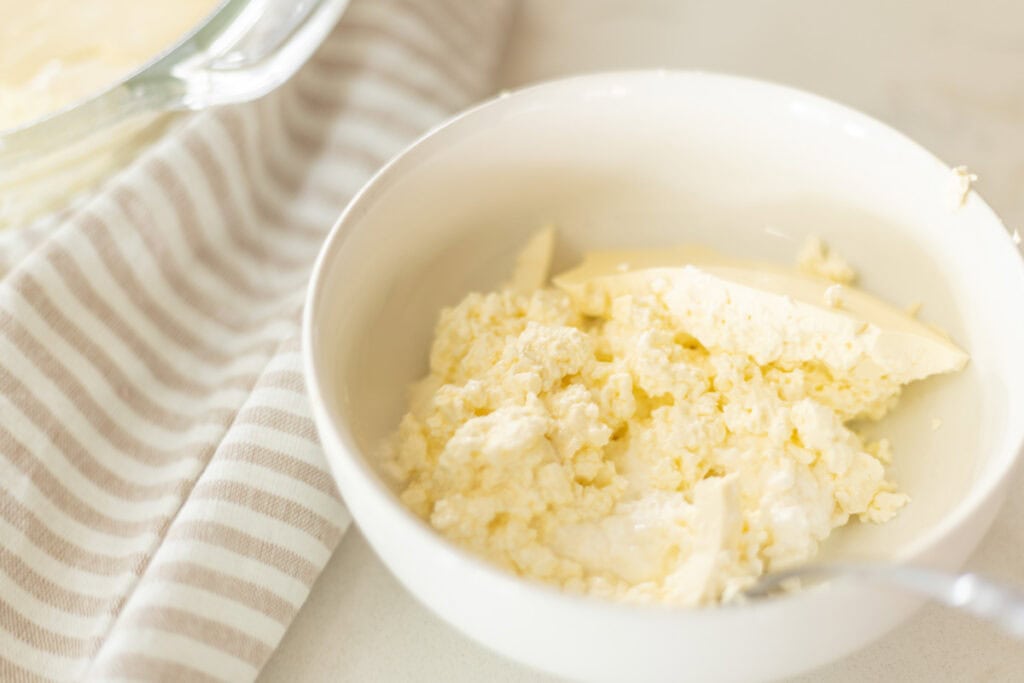
This long-fermented lactobacillus reuteri yogurt is a creamy, tangy probiotic powerhouse designed to support gut health, immune balance, and overall wellness. Made with simple ingredients and fermented for 36 hours to encourage beneficial bacteria growth, this homemade yogurt delivers far more probiotic potential than store-bought options. (source)
Quick Recipe Overview: Lactobacillus Reuteri Yogurt
⏱ Ready In: 36-hour ferment, overnight chill before serving.
🥛 Yields: 1 quart
🍽 Serving Size: ½ cup
🧫 Main Ingredients: Half & half, Lactobacillus reuteri starter, inulin prebiotic fiber
🥑 Dietary Info: Low-carb, high-fat, gluten-free, probiotic-rich
💛 Why You’ll Love It: Ultra-creamy texture, high probiotic potential, simple ingredients
SUMMARIZE & SAVE THIS CONTENT ON
“I’ve been eating a cup of L. Reuteri yogurt for breakfast every morning, and I’m hooked! Better digestion, mood, more energy, less bloating, more regularity, and the list goes on.” – Steph
Why You’ll Love This Recipe
- Ultra-creamy and satisfying — half & half creates a rich, thick, spoonable yogurt with a mild tang.
- High probiotic count (CFU) — the 36-hour fermentation encourages robust growth of beneficial L. reuteri, resulting in a much more concentrated probiotic than you can buy at the store.
- Simple, affordable, and versatile — just a few ingredients create a nourishing probiotic yogurt you can enjoy daily.
What is Lactobacillus Reuteri Yogurt?
Lactobacillus reuteri yogurt is a long-fermented cultured dairy food made using specific probiotic strains (Limosilactobacillus reuteri DSM 17938 and Limosilactobacillus reuteri ATCC PTA 6475) known for supporting gut balance and immune health. (source)
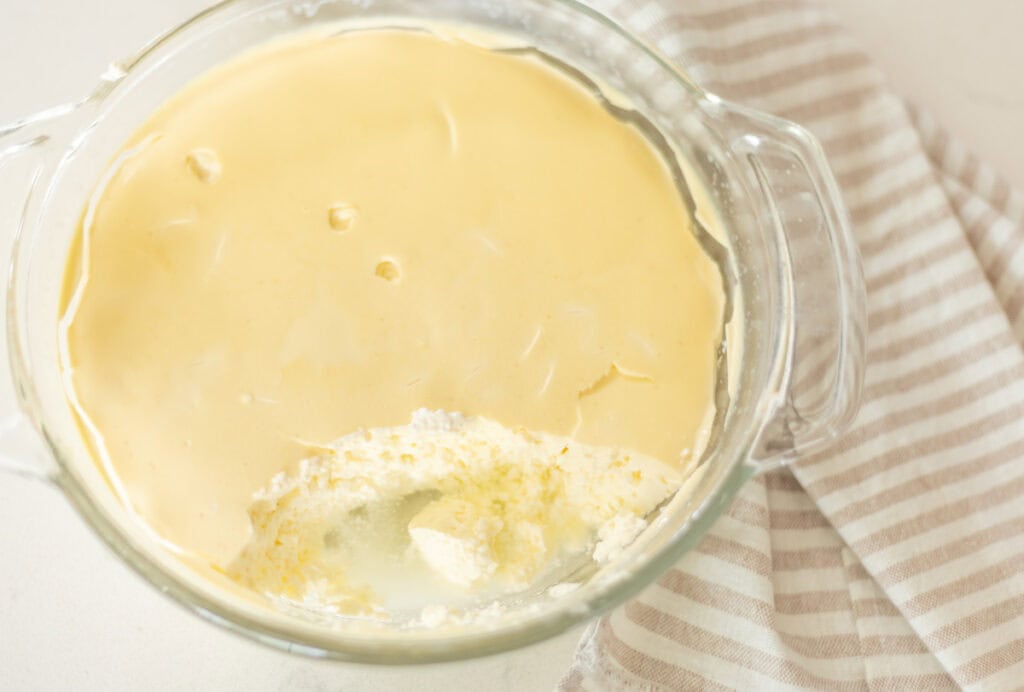
Unlike standard yogurt, which ferments for 6–12 hours, this yogurt is incubated for about 36 hours at a low temperature to encourage the growth of L. reuteri. One L. Reuteri probiotic tablet provides about 200 million CFU of L. reuteri, but fermenting it into yogurt for 36 hours allows the bacteria to multiply into potentially tens of billions of CFU per serving, dramatically increasing probiotic exposure.
Benefits of L. reuteri Yogurt
- Provides a food-based probiotic option — homemade yogurt offers a nourishing way to consume beneficial bacteria daily.
- Supports gut balance — L. reuteri helps maintain a healthy microbiome and may inhibit harmful bacteria in the digestive tract. (source)
- Promotes immune function — L. Reuteri has been studied for its role in supporting immune regulation and intestinal barrier health. (source)
- May aid digestion — beneficial bacteria can support nutrient absorption and digestive comfort. (source)
- Supports skin and oral health — research suggests L. reuteri may contribute to healthier skin and improved oral microbiome balance. (source)
- Encourages a balanced inflammatory response — probiotics can help support normal immune and inflammatory pathways. (source)
- May support mood and emotional well-being — some research suggests certain L. reuteri strains may influence oxytocin signaling, a hormone involved in social bonding and stress regulation. (source)
- May support appetite regulation and healthy weight management — emerging research indicates specific L. reuteri strains may influence satiety hormones and metabolic signaling. (source)
This video is full of gut friendly, simple recipes, including homemade bone broth and L. Reuteri yogurt.
I may receive a small commission for items purchased through affiliate links in this post at no additional cost to you.
Key Ingredients
- Half & Half: The higher fat content creates a thicker, creamier yogurt and helps produce a smooth, spoonable texture – because no one likes runny yogurt. During fermentation, beneficial bacteria break down much of the lactose, which may make cultured dairy easier to tolerate for some people sensitive to lactose. (source)
- Inulin Powder (Prebiotic Fiber): Inulin acts as a prebiotic, providing fuel that helps beneficial bacteria grow and thrive during the long fermentation process, improving culture viability and texture. (source)
- BioGaia Gastrus Starter Tablets: This starter provides the researched strains Limosilactobacillus reuteri DSM 17938 and ATCC PTA 6475, selected for their ability to survive digestion, support gut microbial balance, and influence immune and inflammatory pathways. (source)
Probiotic Growth During Fermentation
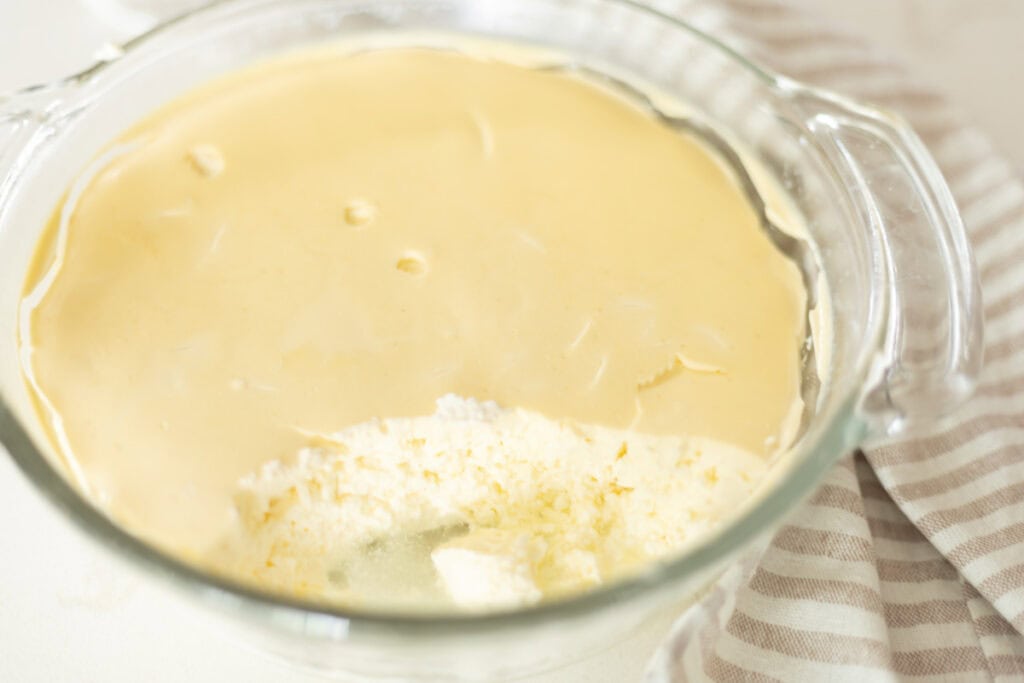
As L. reuteri yogurt ferments, the beneficial bacteria multiply rapidly. Growth increases over time, then levels off as nutrients are depleted and acidity rises.
- 0–12 hours: Bacteria activate and begin multiplying; probiotic levels are still relatively low. Most commercial yogurts are fermented for only 4-6 hours.
- 12–24 hours: Rapid bacterial growth occurs as the culture establishes and fermentation accelerates.
- 24–36 hours: Probiotic levels reach their peak as the culture becomes fully established and the yogurt thickens.
- 36+ hours: Growth slows as acidity increases and food sources diminish; longer fermentation past 36 hours does not significantly increase probiotic counts and may weaken bacterial viability.
Quick takeaway: Around 36 hours provides an ideal balance of probiotic growth, texture, and flavor — longer fermentation is not necessarily better.
Note: Exact CFU counts vary based on temperature, starter potency, and fermentation conditions. (source)
Lactobacillus Reuteri Yogurt FAQs
Lactobacillus reuteri yogurt is a long-fermented cultured dairy food made using specific probiotic strains of L. reuteri. Fermenting for about 36 hours allows the beneficial bacteria more time to multiply, resulting in a thicker texture and greater probiotic potential (CFU) than standard yogurt.
Lactobacillus reuteri yogurt has been studied for supporting gut microbial balance, immune regulation, and digestive health. As a fermented food, it also provides beneficial bacteria that contribute to overall microbiome support. (source)
Inulin is a prebiotic fiber that feeds beneficial bacteria during fermentation. Adding it helps L. reuteri grow more effectively and can improve the yogurt’s texture and consistency.
During fermentation, beneficial bacteria break down much of the lactose in dairy. While tolerance varies, some people who are sensitive to lactose find long-fermented yogurt easier to digest. (source)
Many people begin with 2–4 tablespoons per day and gradually increase to about ½ cup or more as tolerated. Individual tolerance and dietary needs vary.
BioGaia Gastrus tablets contain the researched strains L. reuteri DSM 17938 and ATCC PTA 6475, which are commonly used to culture this yogurt because they survive digestion and have been studied for gut and immune health support. (source)
Yes, raw milk can be used to make L. reuteri yogurt, but it may produce less consistent results because natural enzymes and competing bacteria can interfere with fermentation. Many people gently heat raw milk to about 180°F and cool it before culturing to improve texture and give the L. reuteri culture a better environment to thrive. If using raw milk without heating, expect a thin or even runny yogurt and more variation between batches.
Yes, whole milk can be used, but the finished yogurt will be thinner and less creamy than when made with half & half. Because the higher fat content helps create a thicker texture, many people add a few tablespoons of cream to whole milk or strain the finished yogurt to achieve a richer consistency.
Expert Tips for Perfect L. reuteri Yogurt
- Maintain a steady incubation temperature. Aim for 100°F-105°F for optimal bacterial growth. A proofing box (this is what I use), yogurt maker, sous vide, or Instant Pot (yogurt setting) helps keep temperatures consistent.
- Crush tablets thoroughly. Grind the starter tablets into a fine powder so the culture disperses evenly.
- Whisk ingredients until completely smooth. Fully dissolving the inulin and starter prevents a grainy texture and improves consistency.
- Avoid disturbing during fermentation. Keep the yogurt undisturbed while culturing to allow the structure to set properly. Don’t stir!
- Chill before serving. Refrigerate at least 4–6 hours or overnight after fermentation to thicken and improve texture.
- Save a starter for the next batch. Reserve 2 tablespoons of finished yogurt to culture future batches (for several generations).
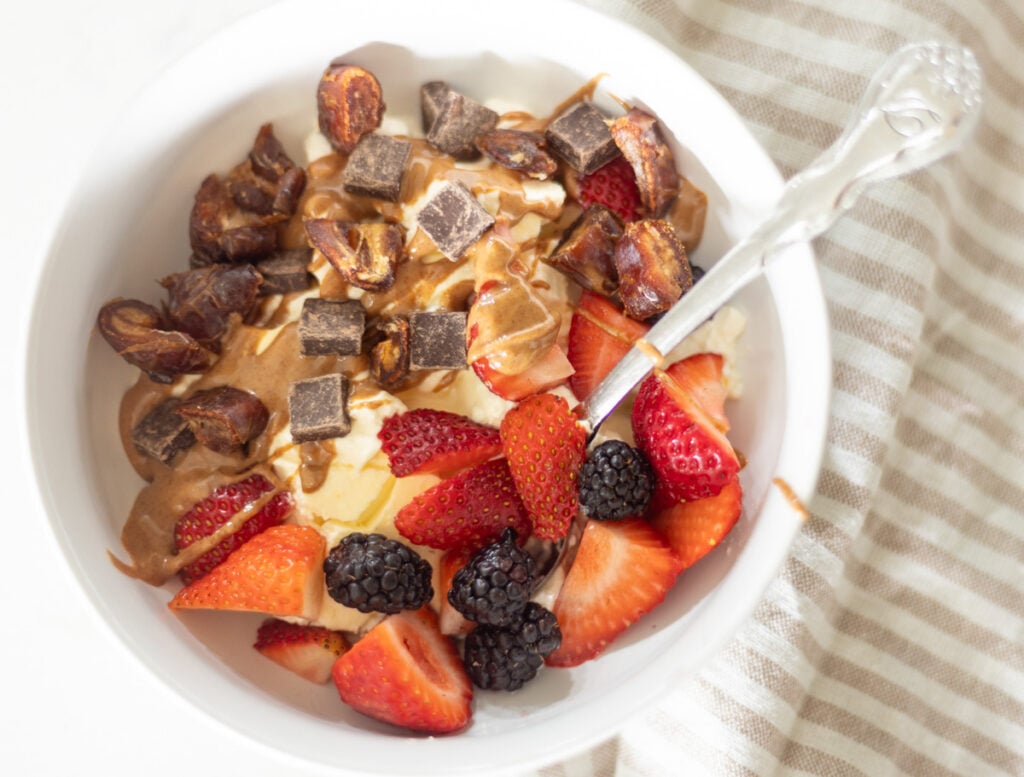
- Add toppings after fermentation. Stir in fresh fruit, honey, maple syrup, vanilla, cinnamon, dates, chocolate chips, or granola after culturing to avoid interfering with fermentation.
- For a sweeter option: Blend with berries or drizzle with raw honey just before serving.
Storage
- Store finished L. reuteri yogurt in an airtight container in the refrigerator for up to 2 weeks.
- Keep the yogurt cold and avoid leaving it at room temperature for extended periods.
- Reserve a few tablespoons from a fresh batch to use as a starter for the next batch.
- If separation occurs during storage, simply stir before serving.

If you love this recipe, please leave a ⭐ 5-star ⭐ rating below! If you have questions or suggestions – drop a comment!
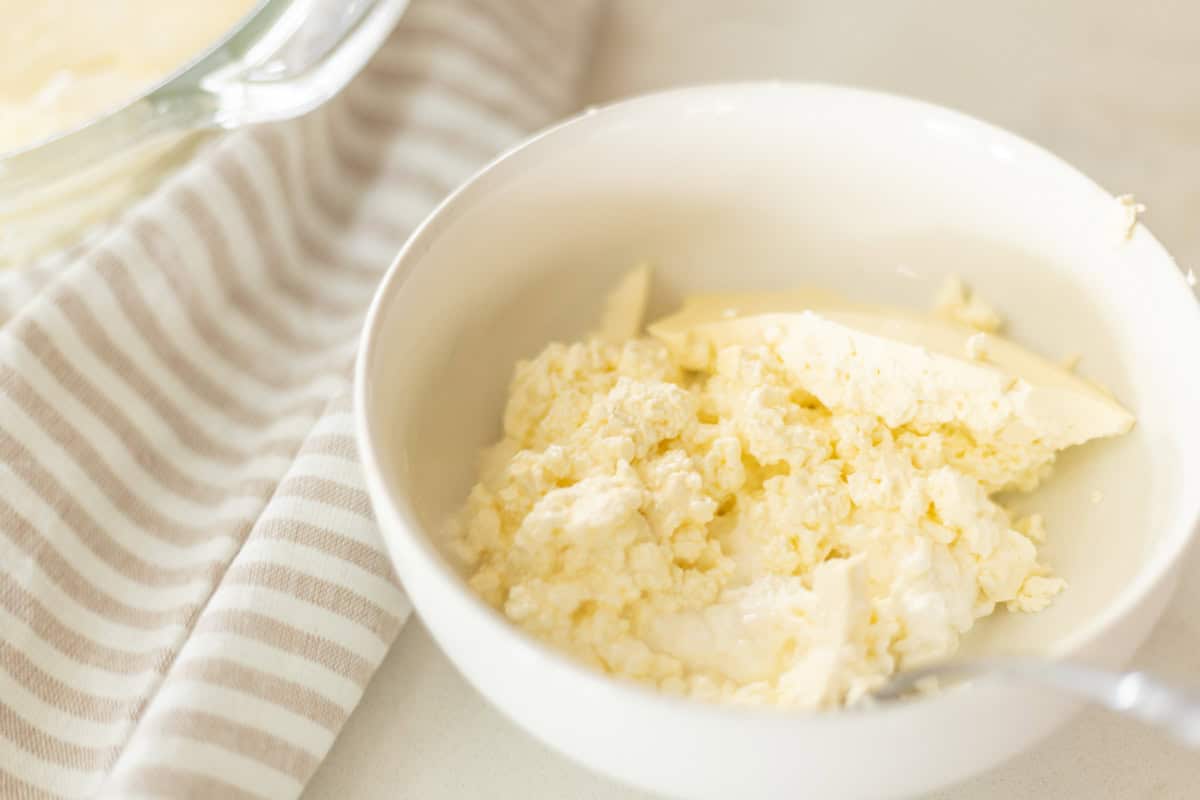
Lactobacillus Reuteri Yogurt Recipe
Ingredients
Equipment
Method
- Crush the starter tablets. Grind 10 BioGaia Gastrus tablets into a fine powder so they dissolve evenly.
- Mix the culture base. In a bowl, whisk 2 tablespoons organic inulin powder with a small splash of half & half until smooth (no lumps).
- Add the dairy. Whisk in the remaining 1 quart half & half until fully combined.
- Add the starter. Whisk in the crushed tablets until the mixture is completely smooth.
- Pour into jar(s). Transfer the mixture to a clean quart jar (or two pint jars) and loosely cover.
- Ferment for 36 hours. Incubate at 100-105°F for 36 hours (yogurt maker, proofing box, Instant Pot yogurt setting, etc.). Do not stir or shake during fermentation.
- Chill to set. Refrigerate for at least 4–6 hours to thicken and improve texture.
- Serve with toppings. Enjoy plain or top with fruit, honey, maple syrup, cinnamon, or vanilla.
- Reserve starter for the next batch. Set aside 2 tablespoons of finished yogurt in a clean container to use as the starter for your next batch.
Nutrition
Notes
- Ideal fermentation temperature: Keep the yogurt between 100-105°F for best bacterial growth and thick texture.
- 36 hours is optimal: Longer than 36 hours of fermentation does not significantly increase probiotic levels and may weaken bacterial viability.
- Texture improves after chilling: The yogurt thickens noticeably after several hours in the refrigerator.
- Expect mild tang: This yogurt is less sour than traditional yogurt due to the lower fermentation temperature.
- If yogurt is thin: Whisk in additional inulin in the next batch or strain the finished yogurt for a thicker consistency.
- Starter reuse: You can culture new batches from a previous batch for several generations before restarting with fresh tablets.
- Avoid adding sweeteners before fermenting: Sugar, fruit, or flavorings can interfere with bacterial growth.
- Clean equipment matters: Proper sanitation helps prevent contamination and ensures consistent results.
Tried this recipe?
Let us know how it was!About the Author

Welcome to Hopewell Heights, I’m Steph – seasoned sourdough baker, homesteader, homemaker, homeschooling mom of 5, and creator behind this Heritage American food blog. I hope you enjoy my family’s favorite, from-scratch recipes!
I’ve been eating a cup of L. Reuteri yogurt for breakfast every morning, and I’m hooked! Better digestion, mood, more energy, less bloating, more regularity, and the list goes on.
Why do the extra strains make reuteri safe for pregnancy/nursing? I’ve been having just reuteri and have been feeling strong contractions, so why would additional strains stop this?
Tried this recipe this week with raw milk and I don’t know what went wrong but it is curdled and vinegary…please help. I am seriously bummed that I spent $100 on the probiotics, $12 for the milk and now I am afraid to eat it
When making a second batch, do you
Still use the first batch ingredient list then add the second batch ingredients?
Thanks for the recipe. Would it work to use a blend of Inulin, Acacia, and Fructooligosaccharides? Just asking because I already have this on hand and would love to not have to buy another type if possible. Thanks!
Thank you for this! I was looking for a nursing mama friendly way to get matcha and moringa in my diet daily. This is perfect! Recently found you and am so happy I did!
Easy to understand recipe.